Behaviour
Common Dog Behaviour Problems and What They May Be Trying to Tell You
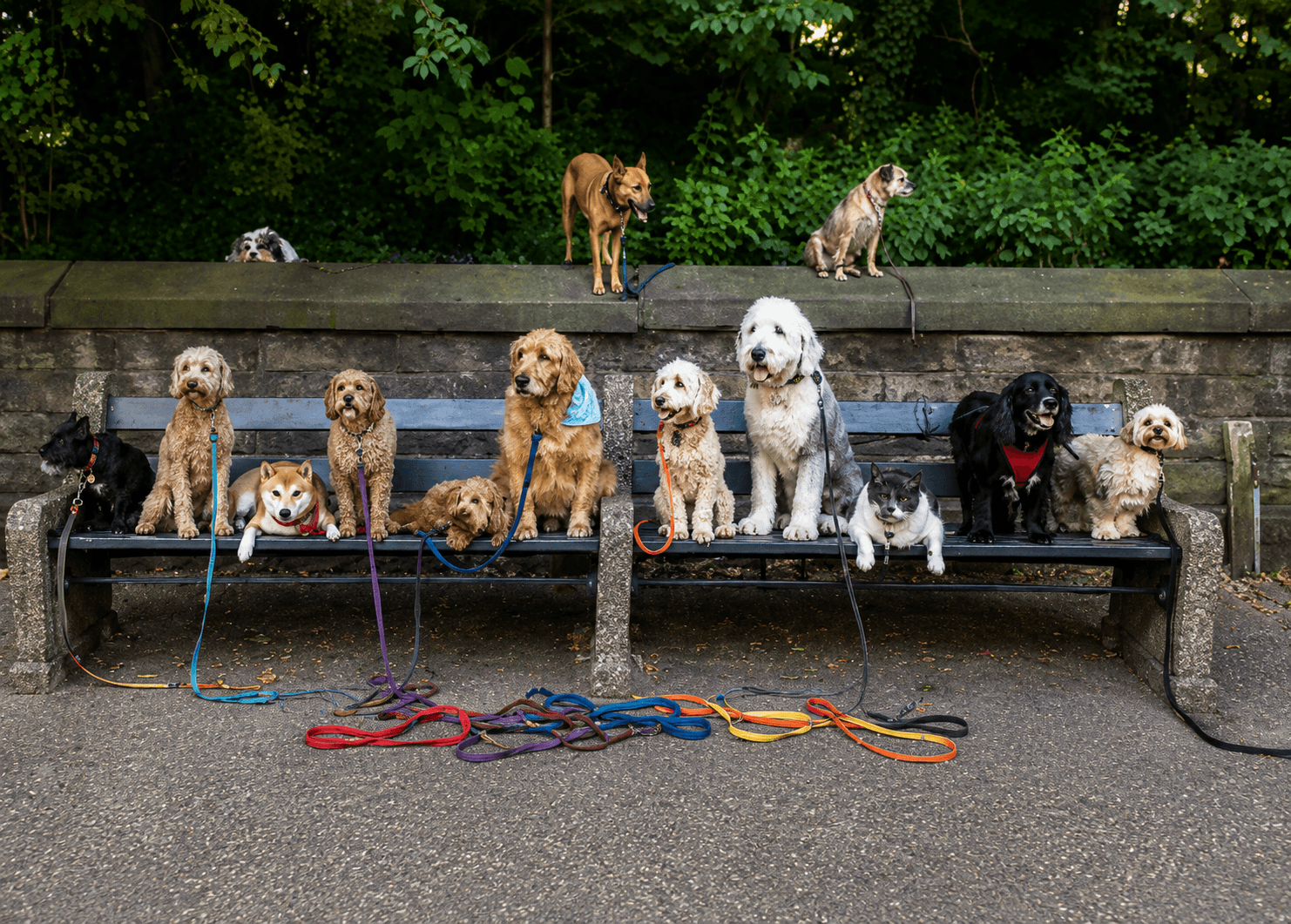
When a dog acts out, our first instinct as humans is often to look for a quick fix to make the annoyance stop. But behavior is simply communication. Down at our Paw Park on Queen Street East in Toronto, watching the daily pack dynamics is a constant reminder that dogs are always talking to us—we just need to translate.
When a dog acts out, our first instinct as humans is often to look for a quick fix to make the annoyance stop. But behavior is simply communication. Down at our Paw Park on Queen Street East in Toronto, watching the daily pack dynamics is a constant reminder that dogs are always talking to us—we just need to translate.
Whether you're working with a highly enthusiastic greeter like Boondi or a pup who gets a little nervous on walks like Layla, the key to lasting change is addressing the root emotion, not just the symptom. Here is what your dog's most common "problem" behaviors are actually trying to tell you.
1. Barking
What it looks like: Nuisance noise at the window, at you, or at nothing at all.
What they're saying: Barking is highly context-dependent. Alert barking means "There's a stranger near our territory!" Demand barking means "I want attention/food right now." Boredom barking simply means, "I have too much pent-up energy and nothing to do with it."
2. Jumping Up
What it looks like: Launching at you or your guests the second the door opens.
What they're saying: "I am so excited you are here, and I want my face as close to your face as possible to say hello!" Jumping is rarely about dominance; it's an over-aroused, appeasement behavior.
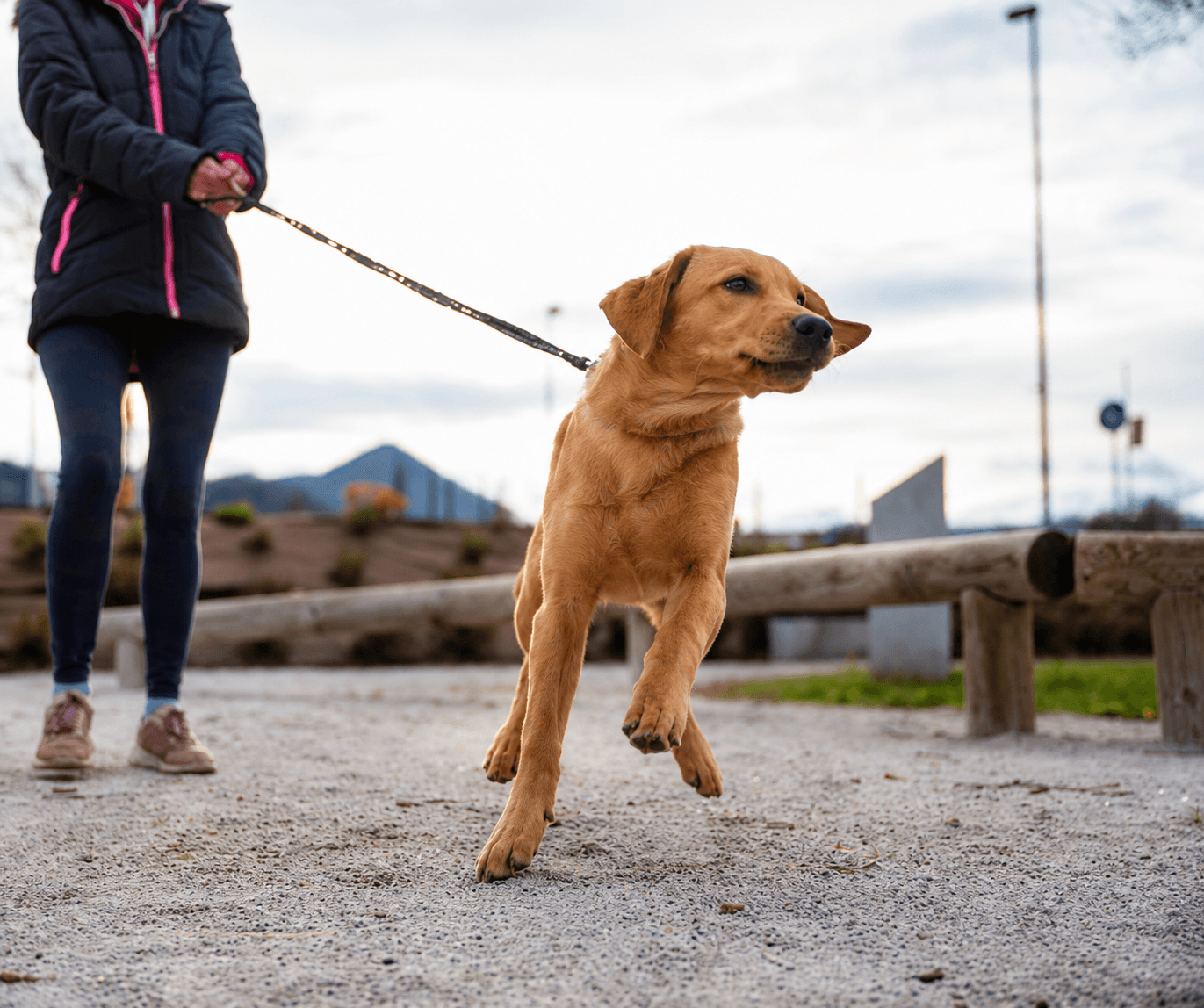
3. Pulling on the Leash
What it looks like: You being dragged down the sidewalk.
What they're saying: "The world is incredibly exciting, and your human walking pace is painfully slow." Dogs naturally walk faster than we do, and pulling is usually just a symptom of enthusiasm and a lack of impulse control.
4. Destructive Chewing
What it looks like: Ruined shoes, gnawed baseboards, and shredded couch cushions.
What they're saying: If it's a puppy, it's usually "My teeth hurt." In adult dogs, it almost always translates to "I am incredibly bored and under-stimulated," or "I am anxious, and chewing releases soothing endorphins in my brain."
5. Resource Guarding
What it looks like: Growling, freezing, or snapping when you approach their food bowl, a high-value bone, or even a favorite spot on the couch.
What they're saying: "I am terrified you are going to take this incredibly valuable thing away from me." It is rooted in deep insecurity, not spite.
6. Leash Reactivity
What it looks like: Lunging, barking, and spinning at the end of the leash when they see another dog or person.
What they're saying: While it looks like aggression, reactivity is mostly fear-based. It translates to: "I am uncomfortable, I feel trapped by this leash, and I need to look big and scary so that trigger stays far away from me."
7. Separation-Related Behaviours
What it looks like: Howling, pacing, destructive behavior, or indoor accidents the moment you leave the house.
What they're saying: "I am experiencing a genuine panic attack because I am isolated from my family." Dogs are social animals, and true separation anxiety is a state of severe distress, never a dog trying to "punish" you for leaving.
8. Digging
What it looks like: Your freshly landscaped backyard turning into a crater field.
What they're saying: "I am hot and looking for cool dirt," or "I smell a rodent underground," or simply "I have excess energy and digging is self-rewarding."
9. Mouthing and Nipping
What it looks like: Teeth constantly grazing your hands or ankles during play.
What they're saying: "I am over-aroused and don't know how to settle," or "I am trying to initiate play the way I would with another dog." This is especially common in herding breeds who have a genetic predisposition to nip at heels.
10. "Stubbornness" (Ignoring Commands)
What it looks like: You say "Come," and they stare at you and walk the other way.
What they're saying: Dogs aren't typically stubborn. They are either saying "I actually don't understand what that word means in this specific context," or "The squirrel over there is much more rewarding than the dry kibble in your pocket."
Understanding is Step One
Understanding the "why" behind the behavior is always step one. Once you know what your dog is feeling, you can set them up for success.
— www.Sunnyism.Pro DTdogs.ca